
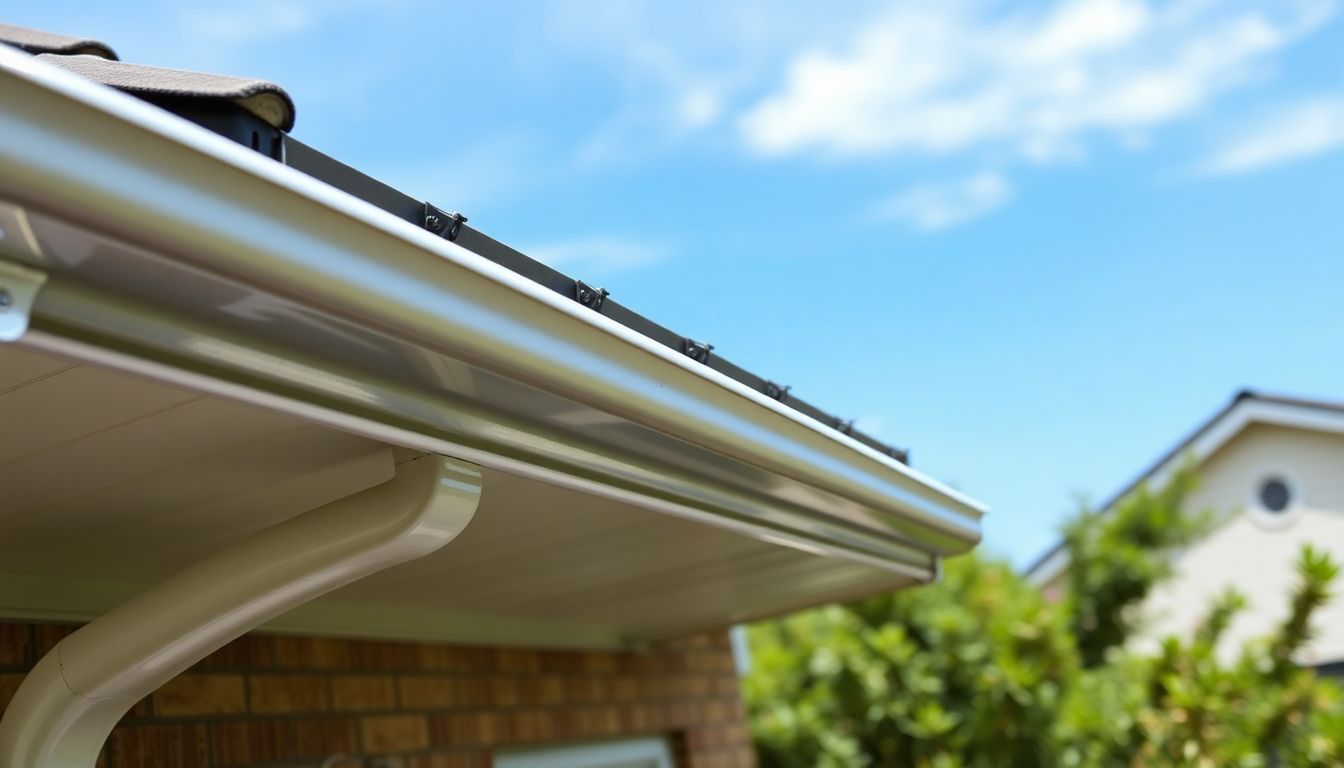
Gutters can become blocked or damaged, causing water damage to your house. This guide offers practical steps for fixing and replacing gutters effectively. Learn how to handle gutter cleaning, replacement with aluminium or vinyl gutters, and ensure proper water drainage.
We cover key aspects like preventing structural damage through regular gutter maintenance and choosing the right materials steel, copper, or other roofing materials for durability against weather conditions.
Discover the importance of professional installation versus DIY efforts in maintaining a functioning guttering system for rainwater diversion and home foundation protection. Understand the roles of splash blocks, fascia boards, and gutter guards in safeguarding against mould growth and roof damage.
Lastly, we’ll discuss safety precautions and protective gear essential for both DIYers and professionals during gutter repairs or replacement projects to avoid accidents.
Key Takeaways
- In 2025, it’s vital to keep gutters clean and functional to protect homes from water damage. Blocked or damaged gutters can lead to serious issues like foundation damage and leaks.
- Homeowners have a variety of gutter materials to choose from, including aluminium, steel, and PVC. Each material offers different benefits in terms of durability, cost, and weather resistance.
- Professional installation of gutters ensures correct alignment and functionality under various conditions. While DIY projects might save money initially, they require precision and knowledge about gutter systems.
- Regular maintenance such as cleaning prevents blockages that cause overflow or sagging. Adding gutter guards also helps reduce the need for constant upkeep by keeping debris out.
- Gutter replacement costs in 2025 vary based on the material chosen and labour required. Planning accordingly allows homeowners to budget effectively for either repairs or complete replacements to avoid future water-related damages.
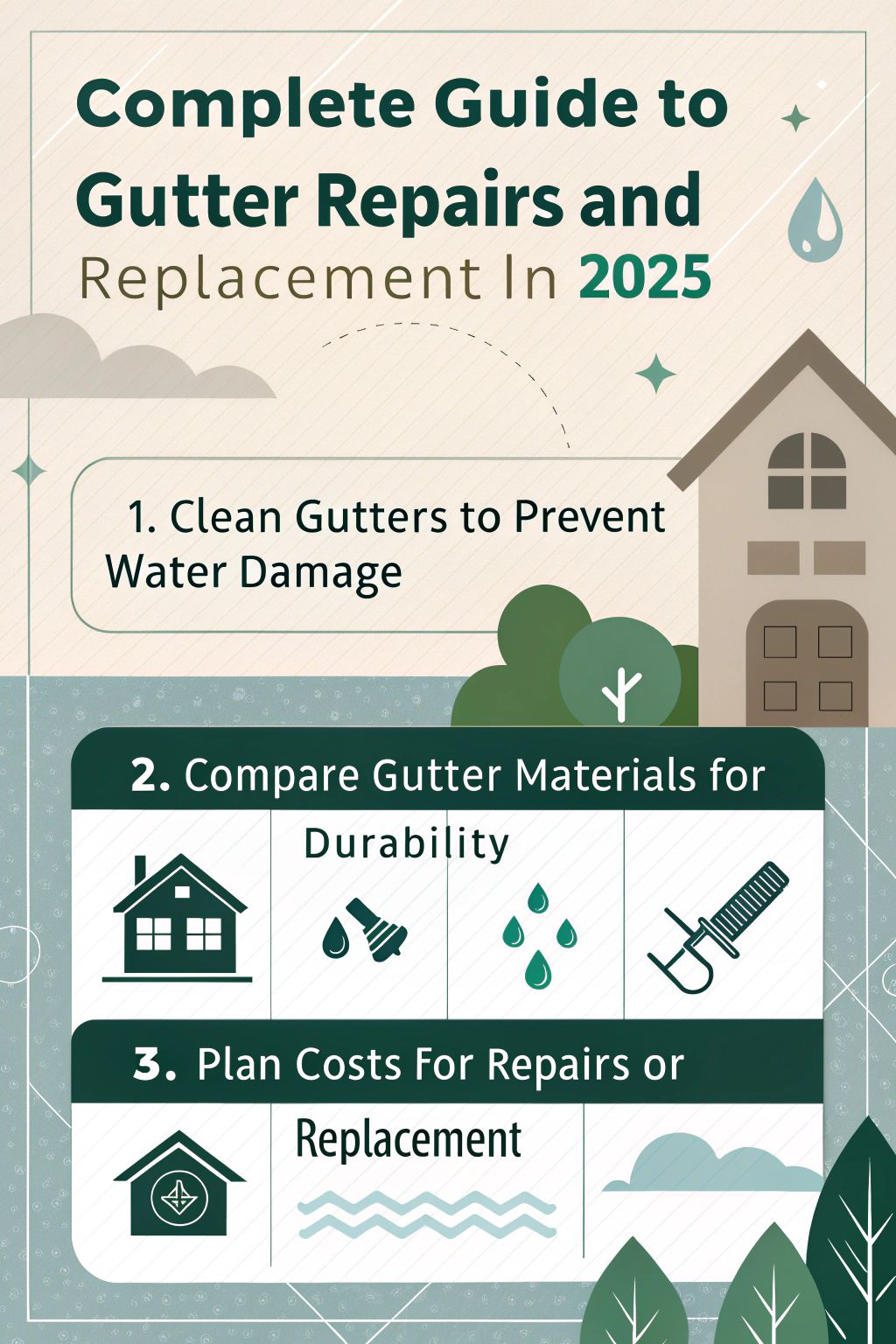
Why Is Gutter Replacement Important in 2025?
By the time 2025 rolls around, it’s important to think about updating your gutters to protect your home from water damage. Having a functional guttering system is key to directing rainwater away from your house’s foundation and walls, helping to prevent structural issues.
Over time, gutters can become blocked leaky, or even corrode. This can result in water creeping into basements, undermining foundations and causing dampness in walls.
Updating your gutters not only enhances the aesthetic appeal of your home’s exterior but also increases its market value. Homeowners nowadays can choose from robust options like aluminium, steel, and PVC, all of which are able to withstand severe weather.
Up-to-date gutter designs also offer improved rainwater redirection compared to older models. Making the decision to replace your gutters is a smart choice for long-term home maintenance and preventing the hefty costs associated with water damage.
Gutter materials come in an array of types, including vinyl, copper, and steel. Each one offers unique benefits in terms of weather resilience and durability. Having your gutters professionally installed ensures they’re correctly aligned and can function under a variety of conditions.
While do-it-yourself projects might offer initial cost savings, they require a keen eye for detail.
Maintaining your gutters by cleaning them regularly can stop blockages from forming that could lead to sagging or overflow during heavy rainfall. This in turn can prevent problems with your roof or foundation from arising.
Also installing splash blocks helps minimise erosion near the foundation, providing further protection against potential leaks.
For those interested in more hard-wearing solutions, investing in high-quality materials like copper might have a higher initial cost, but their lifespan usually justifies this due to their corrosion resistance.
This results in less maintenance in the long term compared to other options like vinyl. While vinyl may be cheaper, it might not last as long in harsh climates with large temperature changes throughout the year.
These fluctuations can cause expansion and contraction cycles which can damage these more fragile materials over time, leading to the need for replacements earlier than with metal-based products.
Common Gutter Problems That Require Repairs or Replacement
Gutter problems, such as leaves blocking water flow and cracks causing leaks, often necessitate repair or a full replacement of the guttering system to prevent serious water damage to your home.
Blocked Gutters
Clogged gutters stop water from flowing away from houses. Leaves, branches, and other debris cause these blockages. This leads to water overflowing and potentially damaging the home’s foundation and structure.
Cleaning gutters regularly helps rainwater drain properly and protects the property from water damage.
Homeowners need to check their guttering systems often, especially after storms. Spotting any blockages or damage early is key to fixing them fast. Gutter guards are useful tools for keeping debris out.
They cut down on future blockages. Using these preventive measures can prevent expensive repairs later on.
Both investors and renters must realise the importance of a clean guttering system. It prevents structural damage and keeps the property value high. Regular maintenance ensures that gutters stay clear, effectively diverting rainwater away from important areas of your home.
Leaky Gutters
Leaky gutters can cause serious problems for homes, leading to structural damage by letting water penetrate unwanted areas. Early repairs prevent larger costs later. Regular upkeep involves inspecting for and fixing any cracks or breaks that might allow leaks.
Choosing the right material—aluminium, steel, or PVC—affects gutter longevity and leak resistance. Aluminium gutters don’t rust easily, offering durability against leaks. Steel gutters are sturdy but require more maintenance to avoid rust-related issues.
PVC gutters provide value and withstand harsh weather conditions well, making them a reliable option for minimising leakage risks.
Acting quickly at the first sign of gutter trouble protects your property from water damage and ensures proper rainwater drainage away from the home’s foundation.
Sagging Gutters
Sagging gutters often result from the weight of water, debris, and sometimes ice. This extra weight pulls them away from the fascia board on your home. Another cause is hanger deterioration.
Hangers can rust or weaken if not installed correctly.
Steel and aluminium are durable materials for gutters but can sag under excessive pressure without proper maintenance. Regular cleaning and inspections help avoid serious issues like roof damage or foundation problems due to poor rainwater drainage.
Keeping gutters in good condition prevents expensive repairs down the line.
Overflowing Gutters
Overflowing gutters can lead to water damage on your home’s walls and foundation. They overflow when blocked by leaves, sticks, and other debris. This prevents water from flowing freely in the guttering system.
Instead, water spills over the sides.
To avoid structural damage, it’s crucial to keep gutters clean. Regular cleaning removes blockages. Gutter guards are useful too. They stop large debris while letting water pass through easily.
For tough problems, professionals ensure efficient rainwater diversion and protect the house’s foundation.
Ignoring this issue may seem easy but results in more costly repairs later on. Besides cleaning, fixing or replacing damaged sections is necessary for proper water drainage away from your home. Such maintenance saves money and safeguards against weather damage.
Gutters play a major role in protecting homes from water-related issues. Aluminium gutters, vinyl gutters, steel gutters, and copper gutters offer different benefits depending on needs such as durability or cost.
Gutter installation requires skills – sometimes beyond DIY abilities., Professional help often makes sure of proper alignment and functioning. Caulking helps seal joints against leaks while avoiding corrosionand extends their lifespan.
In conclusion, regular gutter maintenance ensures efficient rainwater management,, keeping homes safe from potential weather-induced harm.
How Much Does Gutter Replacement Cost in 2025?
Gutter replacement costs in 2025 vary based on materials and installation needs. Homeowners should consider factors like gutter type, labour expenses, and access to the property, as these affect total prices significantly.
Average Costs Per Meter
Understanding the financial aspect of gutter replacement is essential for investors, homeowners, and renters. Preparing your budget effectively requires knowledge of the average costs of gutter installation per meter for 2025. Here is a straightforward summary to help you comprehend these expenses.
| Material | Average Cost per Meter (AUD) |
|---|---|
| Aluminium | $50 – $70 |
| Steel | $55 – $75 |
| PVC | $25 – $40 |
| Seamless Gutters | $60 – $80 |
These costs depend on several elements. The selection of materials greatly affects the final cost. Aluminium, steel, and PVC each come with distinct price tags. Seamless gutters, which are valued for their strength and reduced leaks, are priced at the higher end.
Labour and ease of access also significantly affect the price. Areas that are difficult to access might need special equipment or extra labour, which can raise the cost.
Investing in gutter replacement means addressing current problems and protecting your property from future harm. By being aware of the costs presented, individuals can take educated steps, guaranteeing an effective and economical gutter replacement project in 2025.
Factors Influencing Costs (Materials, Labour, Accessibility)
Gutter replacement costs in 2025 vary based on several factors. Knowing these elements can help investors, homeowners, and renters make informed decisions.
- Material type affects cost significantly. Aluminium gutters often come at a lower price compared to copper or steel gutters. High-quality materials usually demand higher prices but provide longevity and durability.
- Labour expenses can fluctuate depending on the region and the complexity of the job. Professional gutter installation often includes extra charges for expertise and quality workmanship.
- Accessibility plays a crucial role in determining overall costs. If the gutters are hard to reach, workers may require special equipment, which adds to labour costs.
- The scale of replacement impacts pricing too. Larger homes typically need more materials and longer installation times, raising total costs.
- Weather conditions also influence pricing indirectly. Extreme weather may cause sudden demand for services, leading to increased rates due to higher competition for contractors.
- Gutter guards are an added feature that can increase both material and installation costs but provide long-term maintenance savings by reducing cleaning needs.
- Local regulations might necessitate specific materials or methods that affect overall project expenses.
- Home foundation protection is essential during installation processes as any damage may result in costly repairs later.
- Quality assessments of existing fascia boards determine if replacements are necessary, impacting both time and budget during replacement work.
- Structural damage from previous gutter problems requires additional repairs before new gutters can be installed, extending the project timeline and budget significantly.
Types of Guttering for Replacement
Gutters come in several materials and styles. You can choose seamless or sectional designs, depending on your needs. Seamless gutters reduce leaks and offer a clean look. Sectional options may be more affordable upfront but require careful installation to prevent issues later.
Aluminium, steel, or vinyl options provide different strengths and aesthetics for your home’s exterior. Each material has unique benefits that cater to various budgets and preferences.
Consider these factors when planning your gutter replacement project.
Seamless Gutters
Seamless gutters offer a sleek and effective solution for rainwater drainage. They come in one continuous piece, reducing the chances of leaks that often occur with sectional options.
Homeowners appreciate their ability to enhance the aesthetic appeal of their properties while ensuring efficient water management.
Investors should note that seamless gutters require fewer repairs over time due to their design. These systems minimise joints, which are common trouble spots. Made from various materials such as aluminium and steel, they provide durability against harsh weather conditions.
Their smooth surface also makes them easier to clean and maintain compared to traditional models.
Professional gutter installation ensures an accurate fit for seamless gutters. Experts measure your home’s dimensions carefully before fabrication. A well-fitted system helps divert rainwater effectively, protecting your foundation from potential damage caused by improper drainage or overflowing gutters.
Sectional Gutters
Sectional gutters consist of pieces that fit together to create a complete system. These gutters provide an effective solution for water drainage around your home. They typically use materials such as aluminium, steel, or PVC.
Homeowners often choose sectional gutters for their ease of installation and maintenance.
Unlike seamless options, sectional gutters may lead to leaks at the joints if not installed correctly. Regular cleaning helps prevent blockages and ensures proper rainwater diversion away from your foundation.
Investing in high-quality gutter materials can enhance durability and protect against corrosion over time. Proper alignment is vital to maintain effective water flow and reduce structural damage risks.
Aluminium, Steel, and PVC Options
Aluminium, steel, and PVC are common materials for guttering systems. Each option has unique benefits that cater to various needs.
- Aluminium gutters offer durability and lightweight construction. They resist corrosion well, making them ideal for wet weather conditions. This material can come in seamless designs that reduce leaks.
- Steel gutters provide strength and longevity. Coated options resist rust, enhancing their lifespan. Homeowners value their ability to handle heavy rainfall and prevent overflow.
- PVC gutters stand out for being cost-effective and easy to install. They require little maintenance and won’t corrode over time. Their flexibility makes them suitable for diverse home styles.
- Each material impacts the water drainage efficiency of your roof system. Choosing the right one protects your home from potential water damage and maintains structural integrity.
- Consider the regional climate when selecting gutter materials. Harsh weather can influence how long a gutter lasts before replacements are necessary.
- Aesthetic appeal matters as well; many homeowners prefer aluminium due to its sleek look, while others opt for steel’s sturdy appearance.
- Consider weight during installation; aluminium is lighter than steel but provides adequate support with proper installation techniques.
- Budget plays a role in deciding between options; PVC typically falls on the lower end of the price spectrum while quality steel may cost more upfront but offers superior longevity.
- Quality installation ensures your guttering system functions effectively regardless of the material choice made, preventing issues like sagging or leaky gutters down the line.
- Always consult with professionals who understand local building codes for installations or replacements suited to specific requirements in your area.
DIY Gutter Replacement vs. Hiring Professionals
DIY gutter replacement can save you money. You might enjoy the hands-on experience, but it requires time and effort. Hiring professionals ensures high-quality work and safety. They offer expertise in selecting the right materials, like aluminium or steel gutters, to meet your needs.
Expertise and Quality Workmanship
Expertise in gutter installation ensures homeowners receive high-quality service. Skilled professionals understand the intricacies of gutter systems. They offer strong knowledge about materials and designs, including aluminium, steel, and PVC options.
Quality workmanship prevents issues that can lead to costly repairs later on.
Hiring experts guarantees proper alignment and secure installation of gutters and downspouts. Professionals use the right tools for each job, ensuring safety and efficiency. Their experience helps them identify potential problems like sagging or leaking gutters before they escalate into major concerns.
Investing in professional gutter installation adds value to your home or rental property. A solid gutter system protects foundations from water damage while enhancing overall aesthetics.
With their attention to detail, you can be confident in a reliable rainwater drainage solution created to meet your needs.
Time and Safety Considerations
Gutter replacement requires planning and attention to safety. Investing time upfront can prevent costly mistakes later. Assess the accessibility of your roof and gutters before starting any work.
If heights make you uneasy, consider hiring professionals for gutter installation. They bring expertise and equipment that ensure safe practices throughout the process.
Safety gear is essential when handling tools or climbing ladders. Wear gloves to protect against sharp edges on aluminium or steel gutters. Use a sturdy ladder to reach high spots safely.
Always have someone on hand to assist during DIY gutter replacement tasks. This approach minimises risks of injury while ensuring efficient repairs or replacements for proper water drainage in your home’s guttering system.
Access to Tools and High-Quality Materials
Access to the right tools and high-quality materials is crucial for effective gutter replacement. Professional gutter installation requires specialised equipment like ladders, safety harnesses, and cutting tools.
Homeowners often lack these items, which can lead to unsafe situations.
High-quality materials ensure durability. Aluminium gutters resist corrosion and stand up to harsh weather conditions. PVC options offer flexibility and ease of installation. Investing in quality components protects your home from water damage and enhances rainwater drainage efficiency.
Choose wisely for long-lasting results in your guttering system.
Step-by-Step Guide to Gutter Replacement
Replacing your gutters requires careful planning and execution. First, select the right materials that suit your home’s needs. Next, detach old gutters and check the fascia board for damage.
After preparing the area, install new gutters securely and attach downspouts properly. This process ensures effective rainwater management and protects your foundation from water damage.
For an in-depth guide with detailed instructions, continue reading our comprehensive section on gutter replacement steps.
Planning and Choosing Materials
Choosing the right materials for your gutter replacement is essential. Proper planning ensures effective water drainage and protects your home from potential damage.
- Assess climate conditions. Consider aspects like rainfall levels and seasonal changes in your area. These factors influence the type of gutter material you should select for maximum durability.
- Evaluate gutter materials. Options include aluminium, steel, copper, and vinyl. Each material has unique benefits. Aluminium gutters resist corrosion and are lightweight. Steel gutters provide strength but may require rust protection. Copper gutters add aesthetic appeal but come at a higher price.
- Research seamless versus sectional gutters. Seamless gutters reduce leaks due to fewer joints. Sectional options can be easier to install for DIY enthusiasts but might present more opportunities for leaks over time.
- Determine accessibility for installation tools and materials. Evaluate how easily workers can access your roofline and gutter locations. Limited access may increase labour costs depending on the complexity of the job.
- Factor in maintenance requirements for chosen materials. Some options need frequent upkeep to prevent rust or corrosion, while others allow for low maintenance after installation.
- Prioritise energy efficiency in selection if concerned about utility bills related to heating or cooling needs in your home.
- Calculate costs accurately, including both materials and labour associated with professional installation versus DIY efforts for all selected types of gutters.
- Follow local codes regarding gutter installation based on regional building regulations to avoid future compliance issues.
- Consult professionals if uncertain about suitability or best practices for specific environments as informed guidance enhances project success rates greatly.
10.Use high-quality materials that comply with standards outlined by industry leaders, ensuring long-lasting performance of your new gutter system against potential structural damage or water damage consequences.
Removing Old Gutters and Inspecting Fascia Boards
Removing old gutters and inspecting fascia boards is a crucial step in any gutter replacement project. This process ensures proper water drainage and prevents future water damage.
- Start by ensuring safety with appropriate gear. Use gloves, goggles, and sturdy footwear to protect yourself during the removal process.
- Carefully remove the screws or brackets holding the old gutters in place. A screwdriver or drill works well for this task.
- Detach each section of the gutters slowly. Avoid pulling them forcefully to prevent damaging fascia boards or surrounding areas.
- Inspect the fascia board closely for signs of rot or damage. Look for soft spots or discolouration that indicate structural issues.
- Take note of any corroded areas on metal gutters as these can lead to further complications down the line.
- Clean up debris from the old gutters thoroughly to make way for new installation. Remove leaves, dirt, and other materials that may have accumulated over time.
- Assess your preferred gutter materials next—choose from aluminium, steel, copper or PVC depending on your budget and needs.
- Prepare the area for new gutter installation by ensuring a clear path for rainwater flow away from your home’s foundation.
- Document any issues found during inspection if you plan to hire professionals later on for repairs or replacements.
Following these steps ensures a smoother transition to installing your new guttering system while improving home foundation protection against potential water damage risks.
Installing New Gutters and Securing Downspouts
Installing new gutters and securing downspouts requires careful attention. Proper installation maximises water drainage and protects your home.
- Choose high-quality gutter materials like aluminium, vinyl, or steel. Each material has specific benefits, such as durability and resistance to rust.
- Measure the dimensions of your roofline accurately. Accurate measurements ensure you cut the gutters to fit perfectly along your home’s eaves.
- Cut the gutters to size using a mitre saw for precision. This step helps avoid misalignments during installation.
- Arrange the gutters on a flat surface before installation. This will make it easier to connect pieces securely without any twists or bends.
- Use brackets or hangers to secure the gutters to the fascia board properly. Fastening them securely prevents sagging gutters.
- Check that the gutter slope directs water towards downspouts. A slight slope of about 1/4 inch for every 10 feet will facilitate proper rainwater flow.
- Install downspout outlets at designated points in the gutter system. These outlets direct water away from your home, preventing foundation damage.
- Join sections of seamless gutters if applicable, ensuring a tight fit without gaps or leaks.
- Secure downspouts with clips to keep them stable during heavy rainfall and wind events.
- Test the system by running water through it after installation is complete. Observing how well everything functions helps identify any leaks or overflow issues.
Taking time with these steps ensures proper gutter replacement and effective rainwater diversion for home foundation protection against potential water damage risks.
Tips for Maintaining Your Gutters Post-Replacement
Regularly inspect your gutters for dirt and debris build-up. Clear out blockages to ensure smooth water flow and prevent potential damage to your home’s foundation.
Regular Cleaning and Inspections
Regular cleaning and inspections keep gutters functioning well. These actions prevent blockages and minimise the risk of structural damage.
- Clean gutters at least twice a year, ideally in spring and autumn. Clear debris like leaves, twigs, and dirt to promote proper water drainage.
- Inspect for cracks or holes in your guttering system regularly. Identify potential leaks early to avoid extensive water damage.
- Check downspouts for blockages. Ensure rainwater flows freely away from your home’s foundation to maintain its integrity.
- Look for sagging or misaligned sections in the guttering system. This issue can lead to improper water flow and increase the risk of overflow.
- Examine fascia boards closely during inspections. These boards should be stable and free from rot, as they support your gutters.
- Assess the condition of gutter guards if installed. Ensure they function correctly to further reduce maintenance needs while protecting against debris build-up.
- Monitor after heavy rainfall or storms. Immediate checks help identify any new issues that may arise due to severe weather conditions.
- Schedule professional inspections every few years for thorough evaluations and advice on necessary repairs or replacements.
- Use splash blocks effectively to direct water away from your foundation area, enhancing foundation protection and minimising erosion risks.
- Maintain records of all services performed, including cleaning dates and repairs completed, allowing you to track patterns in gutter performance over time.
Protecting Gutters with Guards
Gutter guards offer a smart solution for maintaining your guttering system. They prevent debris build-up and enhance water drainage efficiency.
- Gutter guards stop leaves and twigs from entering the gutters. This blockage often leads to overflow and damage to the roof or foundation.
- Installing guards reduces the frequency of gutter cleaning. Homeowners can save time and effort while ensuring proper rainwater diversion.
- Many types of gutter guards exist, including mesh and reverse curve designs. Each style offers unique advantages based on specific weather conditions.
- Guards protect against ice dams during cold months. They help maintain water flow, reducing the risk of structural damage from freezing and thawing cycles.
- Using high-quality materials improves durability in various climates. Aluminium, steel, and PVC options provide long-lasting solutions against wear and tear.
- Gutter guards enhance safety for property owners. Less frequent cleaning means fewer ladder climbs, lowering the risk of accidents.
- Some guards may require professional installation for optimal performance. Skilled technicians ensure proper alignment, enhancing overall effectiveness.
- Regular inspections remain crucial even with gutter guards installed. Checking for misalignment or damage helps maintain effective water drainage throughout the year.
- Homeowners should choose local suppliers for better access to quality products and support services. Local businesses often understand regional climate challenges better.
Investing in gutter guards increases protection against water damage and promotes efficient rainwater management in your home or investment property.
Why Choosing a Local Roofing Business for Gutter Replacement Matters
Choosing a local roofing business for gutter replacement proves advantageous for both homeowners and investors. Local companies understand the regional weather conditions and the materials that work best in your area.
They offer aluminium, steel, or vinyl gutters designed to withstand local climates.
Local businesses also provide fast service with fewer delays. A quick response helps prevent water damage to your home’s foundation. Opting for a nearby provider often means better communication and individualised service too.
You can easily reach them if issues arise after installation, ensuring peace of mind about your guttering system’s maintenance needs.
Conclusion
Gutter repairs and replacements will be crucial in 2025. Homeowners must address common problems like leaks, blockages, and sagging gutters. Proper maintenance protects your home from water damage and structural issues.
Choose the right materials to ensure durability. Invest in professional installation for long-lasting results that safeguard your foundation and enhance rainwater drainage systems.
Take action now to ensure your property remains safe and dry all year round.
FAQs
1. What is the importance of gutter maintenance and cleaning?
Gutter maintenance, including regular cleaning, ensures proper rainwater drainage to prevent water damage to your home’s foundation. It also helps avoid structural damage caused by sagging gutters or roof damage.
2. How often should I replace my gutters?
The frequency of gutter replacement depends on several factors such as the material used (aluminium, steel, copper or vinyl gutters) and weather conditions in your area. Regular inspections can help identify when a repair or replacement is needed.
3. Can I perform a DIY gutter replacement?
Yes, you can do DIY gutter replacement with adequate knowledge about fascia board fitting, correct gutter alignment and installation procedures for various types of materials like aluminium or vinyl gutters.
4. What are the benefits of professional gutter installation?
Professional installers ensure accurate alignment for optimal rainwater diversion away from your home’s foundation. They also consider local weather conditions during installation which contributes to long-lasting performance.
5. How does a well-maintained guttering system contribute towards home protection?
A well-maintained guttering system prevents water overflow that could cause water damage to walls and foundations while ensuring efficient rainwater drainage away from the house structure using splash blocks.
6. What are some advancements expected in 2025 regarding gutters?
Innovations like A.I-controlled gutters that adjust according to weather patterns may become more popular in 2025 along with advanced materials offering better durability against varying climatic conditions.